
Sabbath Article (Dec. 20, 2025): Sabbath in a Tight Season

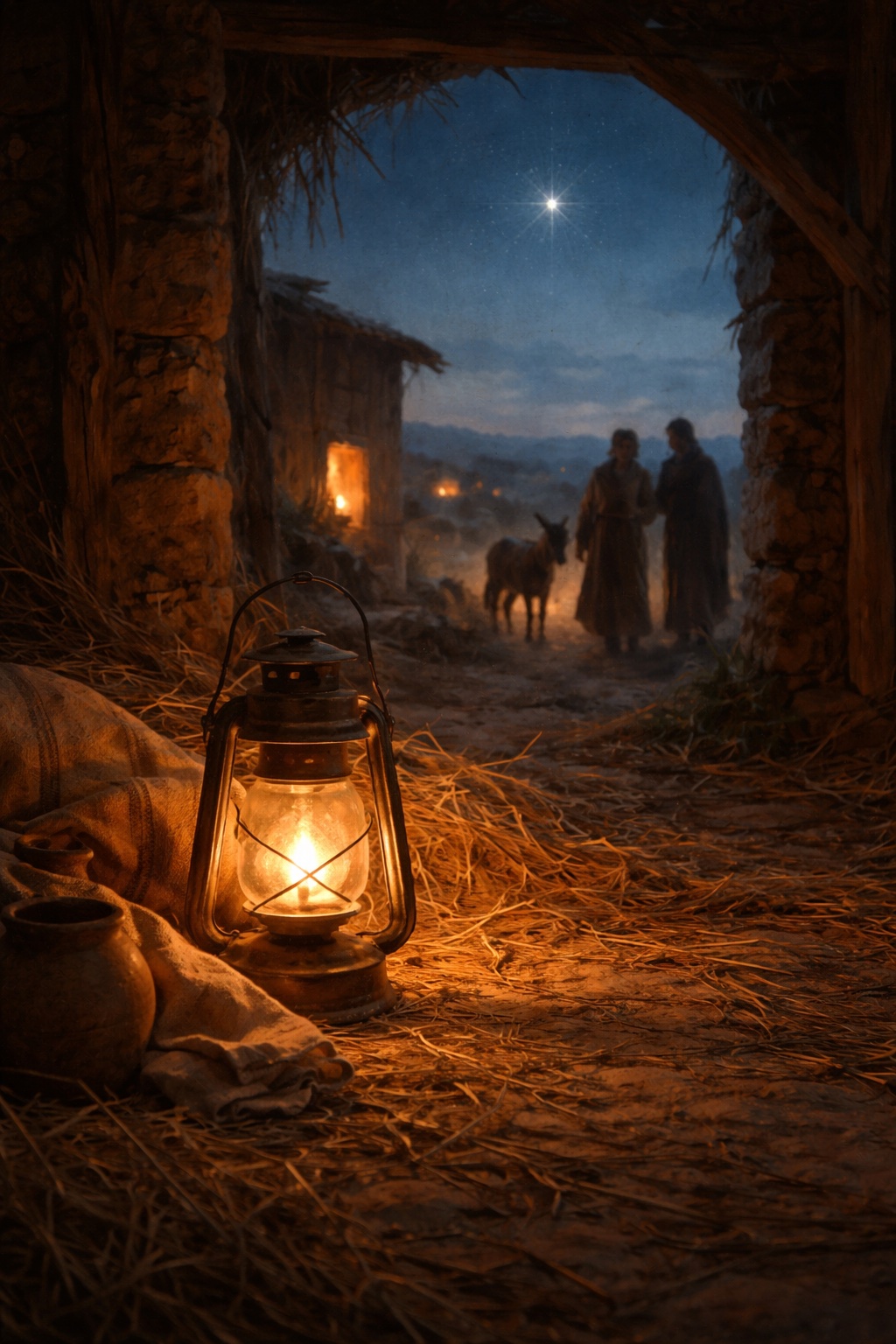
Andrew G. Stanton - Dec. 20, 2025
Sabbath is easy to romanticize.
We imagine rest as something that comes after work is finished, after provision is secured, after pressure eases. In that version, Sabbath is a reward — a pause earned by having enough margin to stop.
But Scripture rarely presents Sabbath that way.
For much of Israel’s history, Sabbath was practiced under constraint: during exile, under occupation, in seasons of scarcity and uncertainty. It was not a declaration that everything was fine. It was an act of trust when things were not.
This has been a tight season.
Not poetically tight. Not metaphorically lean. Just tight — financially, practically, day to day. A year marked more by waiting than arrival, more by restraint than expansion.
In that context, Sabbath feels different.
It is not restorative in the sense of refilling abundance. It does not erase pressure or resolve uncertainty. Instead, it becomes something quieter and more difficult: the refusal to let anxiety dictate the shape of time.
Sabbath, in a season like this, is not about disengagement. It is about resisting the lie that every moment must be monetized, optimized, or leveraged in order to be justified.
It says: even now, even here, life is not only a problem to solve.
That is a costly discipline when resources are tight. When the margin is thin, rest can feel irresponsible. Stillness can feel dangerous. Waiting can feel like failure.
And yet, Sabbath insists that human worth is not suspended until conditions improve.
This is why Sabbath belongs so naturally with Advent.
Both teach us how to live without resolution. Both train us to remain faithful without outcomes. Both refuse to let urgency masquerade as obedience.
The Incarnation itself arrives into a world that is not ready, not stable, not prosperous. God does not wait for surplus before entering history. He comes into the tightness.
Practicing Sabbath in a season like this is not an act of confidence. It is an act of trust without evidence — a declaration that provision is not something we manufacture by never stopping.
Sabbath does not deny constraint.
It denies despair.
And in a season of waiting, that may be enough.
Looking for comments…
Searching Nostr relays. This may take a moment the first time this article is opened.
Looking for comments…
Searching Nostr relays. This may take a moment the first time this article is opened.