
Free Article 2 (Dec. 6, 2025): The Bitcoin Chronicles - 1.B.7 - The Lakota Influence: Sovereignty in the Lunar Soul

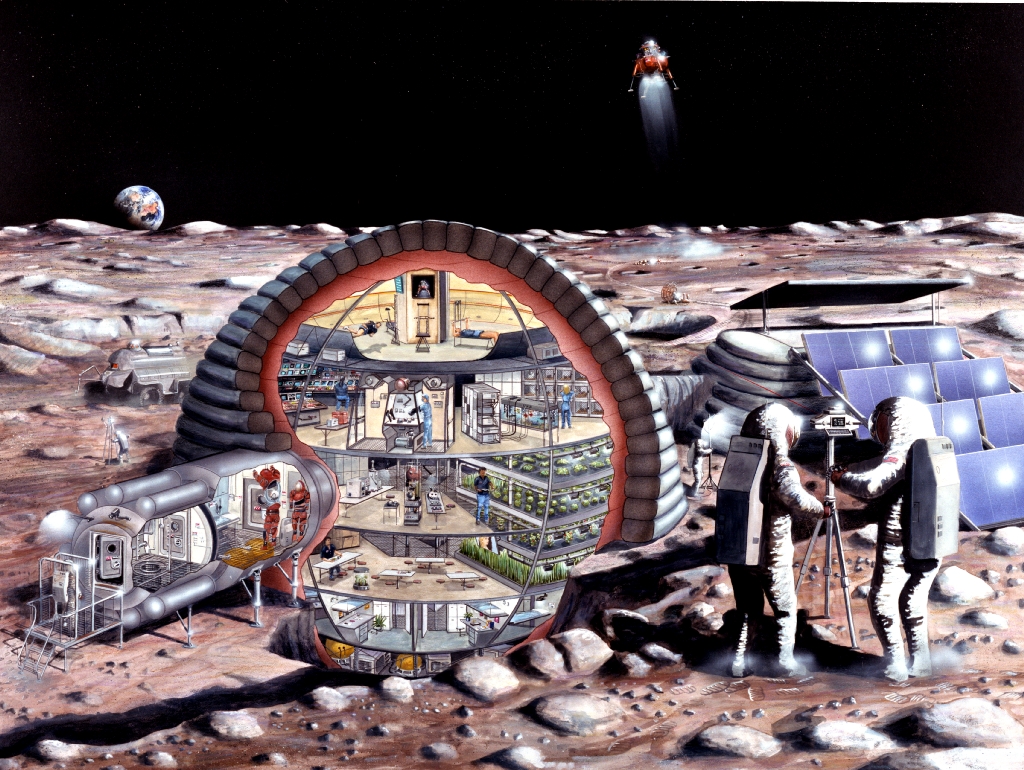
Andrew G. Stanton - Dec. 6, 2025
Most settlers came to Luna for engineering or economic reasons.
The Lakota came for something different.
They came because they recognized the Moon as sacred ground for a new covenant of freedom.
The Lakota Sovereign Collective—small in number but powerful in influence—brought ethical clarity to a frontier that might otherwise have drifted into pure technocracy.
Their presence reshaped Luna’s soul.
I. Teachings of the Circle Within
The Lakota taught three principles that altered lunar culture:
1. Sovereignty begins in the heart.
A free people must first free their inner world.
2. Land does not belong to us; we belong to the land.
Even on the Moon, this held true.
Do not exploit—collaborate.
3. Truth is responsibility.
A sovereign society cannot survive lies, especially those told to itself.
These teachings aligned perfectly with:
- Bitcoin settlement
- Open ledgers
- Guild autonomy
- Circle Law
- Archivist ethics
The synthesis felt natural.
II. Why the Lakota Joined Pilgrim Missions
The Collective joined Pilgrim-4 and Pilgrim-5 because they believed:
- Earth’s systems were spiritually broken
- True freedom could not be achieved under empire
- The frontier was fertile ground for ethical renewal
They helped shape the cultural and ethical foundation of Shackleton Corridor.
III. Rituals of the First Dome
The Lakota brought rituals that became universal:
-
Offering of the First Oxygen
A symbolic gesture of gratitude to the dome that gave life. -
The Quiet Vigil
A moment of stillness whenever a Circle convened. -
The Steward’s Pledge
Recited before major engineering projects:
“We build with humility, so that life may flourish.”
These practices transcended tribal origins and became lunar norms.
IV. Influence on Freeport and the Archivists
The Lakota worldview shaped Freeport more than any other group.
They insisted Freeport remain:
- unclaimed
- unowned
- unpoliced
- open to all enclaves
- governed only by voluntary association
The Archivists later adopted Lakota principles as part of their own ethos:
“If a story is forgotten, it dies.
If a story is altered, it betrays.
If a story is preserved, it lives.”
V. Legacy
On Luna, sovereignty is not just political.
It is spiritual.
The Lakota helped the lunar settlers understand:
- freedom as stewardship
- truth as sacred
- community as voluntary
- law as a dissolving circle
- identity as something earned, not imposed
Their influence carried forward to Mars and shaped Pilgrim-9, giving the Martian charter its ethical grounding.
As one Archivist later wrote:
“Luna learned how to be free.
The Lakota taught us why.”
Looking for comments…
Searching Nostr relays. This may take a moment the first time this article is opened.
Looking for comments…
Searching Nostr relays. This may take a moment the first time this article is opened.